
The best Ligurian food experiences are rarely found in a rush. They begin with the scent of basil crushed moments ago, continue with an olive oil that tastes of the hillside where its fruit grew, and linger long after dinner beside the sea. On the Riviera dei Fiori, eating well is not an item to tick off between excursions. It is one of the most rewarding ways to understand the place.
Ligurian cooking has a quiet confidence. Its ingredients are often simple, but their quality and timing matter deeply: fragrant herbs, delicate vegetables, freshly landed fish, local cheeses and the golden Taggiasca olive. For couples, families and active travellers alike, this is a region where a day outdoors can naturally end around a generous table.
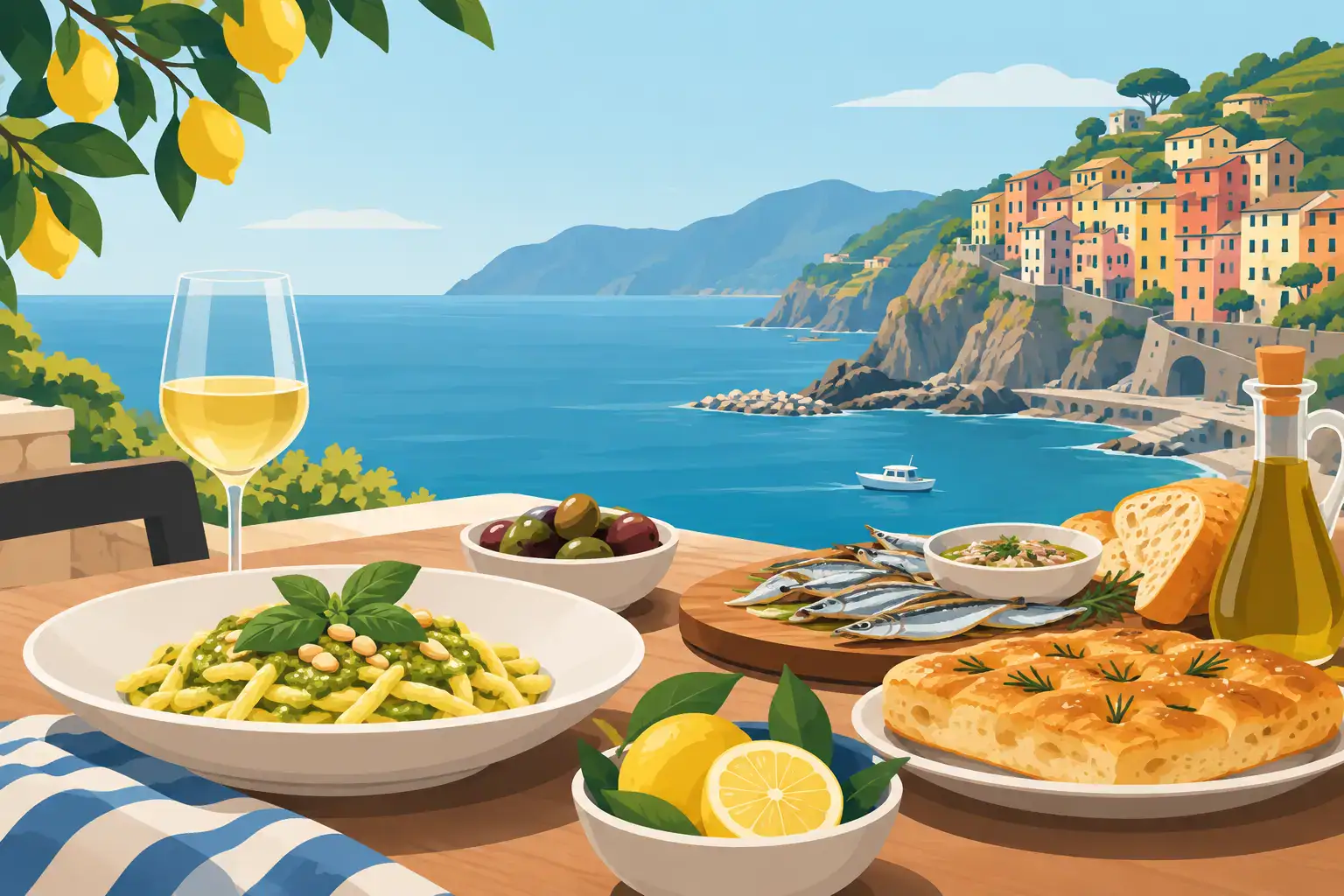
Pesto Genovese is the dish visitors expect, but a proper serving still has the power to surprise. The real pleasure lies in its balance: sweet Ligurian basil, pine nuts, garlic, Parmigiano Reggiano, Pecorino and extra-virgin olive oil worked into a fragrant, textured sauce. It should be fresh rather than aggressively smooth, aromatic rather than heavy.
Try it with trofie, the short twisted pasta that catches every trace of sauce, or with trenette, traditionally served with green beans and potatoes. The latter may sound modest, yet it expresses a defining Ligurian instinct: make a complete, satisfying dish from a small number of excellent ingredients.
There is a practical distinction worth knowing. In busy visitor areas, pesto can occasionally be treated as a bright-green souvenir. Seek restaurants and family-run kitchens where it is made in small batches and served without excess cream or unnecessary embellishment. The best version tastes clean, herbaceous and unmistakably of summer.
Around Imperia, the Taggiasca olive is more than a local speciality. It shapes the landscape, the light on the terraces and the flavour of everyday cooking. Small and dark, it produces an oil prized for its soft, rounded character, often with notes of almond and a gently peppery finish.
Taste it plainly first, with warm bread or focaccia, before trying it in cooking. It brings depth to grilled fish, minestrone, rabbit dishes and salads without overwhelming the ingredients beneath it. The olives themselves appear in savoury tarts, pasta sauces and aperitivo plates, their mild fruitiness bringing a distinctly western Ligurian note.
An olive oil tasting is especially worthwhile for travellers who enjoy bringing the holiday home through flavour. Harvest dates, storage and production methods all influence the result, so ask to compare oils rather than simply buying the first attractive bottle. Freshness is the detail that separates a pleasant oil from one you will remember.
The inland valleys offer a different rhythm from the coastline. Here, vineyards, olive groves and kitchen gardens sit between stone villages and wooded slopes. A leisurely lunch can become the day’s destination, particularly after a cycle ride, coastal walk or morning by the pool.
Order local vegetable dishes when they are in season. Ligurian cuisine is exceptionally generous with greens, artichokes, courgettes, beans and wild herbs. Torta verde, a savoury pie filled with vegetables and herbs, is a wonderfully informal introduction, while pansoti – plump stuffed pasta often served with walnut sauce – offers a softer, richer contrast to pesto.
For a more substantial regional plate, look for coniglio alla ligure. Rabbit is gently cooked with Taggiasca olives, pine nuts, herbs and, depending on the kitchen, a touch of local wine. It is a dish with depth but not heaviness, well suited to an unhurried evening when the warm air encourages one more conversation at the table.
The Ligurian Sea gives the region another vocabulary of flavour. Seafood here is at its best when preparation is restrained: grilled, baked with herbs, folded into pasta or served in a fish stew where the broth does not hide the catch.
Anchovies deserve particular attention. Fresh anchovies may be marinated, fried lightly, stuffed or preserved, and they bear little resemblance to the harsh, overly salty versions some diners expect. In the right hands, they are tender, clean and almost sweet. A plate of anchovies with lemon, olive oil and a chilled local white can be one of the most persuasive lunches on the coast.
For families, seafood does not need to mean a formal, late-night meal. Look for simply grilled fish, pasta with a light tomato and shellfish sauce, or fritto misto shared in the centre of the table. Sharing makes the meal more relaxed and lets younger diners taste at their own pace.
Some of Liguria’s finest food moments happen far from a linen-covered table. Fresh focaccia, brushed with olive oil and sprinkled with salt, is ideal for a beach-bound morning, a road trip through hill villages or an afternoon pause after a spa treatment. It should be soft inside, lightly crisp beneath and aromatic with good oil.
Farinata is equally essential. Made from chickpea flour, water, olive oil and salt, this thin baked savoury pancake arrives hot from the oven, with crisp edges and a custardy centre. It is naturally uncomplicated, affordable and deeply satisfying. Enjoy it plain before seeking versions with onions, herbs or vegetables.
These everyday foods reveal a great deal about the region. Ligurian cooking is not reliant on grand gestures. It is built on knowing what to do with flour, chickpeas, vegetables and oil when each ingredient is at its best.
A thoughtful wine pairing can sharpen the whole experience, though it need not become technical. For seafood, pesto or lighter vegetable dishes, a bright Ligurian white such as Vermentino often feels right: fresh, citrus-led and lifted by a saline note. Pigato, particularly associated with western Liguria, can offer more structure and a slightly fuller character, making it an excellent partner for richer fish dishes and rabbit.
Rossese is worth choosing when the evening calls for red. It is typically lighter in body than many Italian reds, with bright fruit and enough freshness to suit the regional table. In warm weather, its restraint is a virtue, especially when dinner follows a long day outside.
The best choice depends on the meal and on the moment. A glass of Vermentino at lunch after the beach may be perfect; a bottle of Pigato shared over a lingering dinner has a different kind of pleasure. There is no need to overcomplicate either.
The most memorable dining days usually leave room for appetite. Begin with a slow breakfast, walk the coast or explore the old streets of Imperia, then allow lunch to stretch beyond the timetable. On another day, choose a light afternoon snack and save your appetite for dinner built around local pasta, fish and wine.
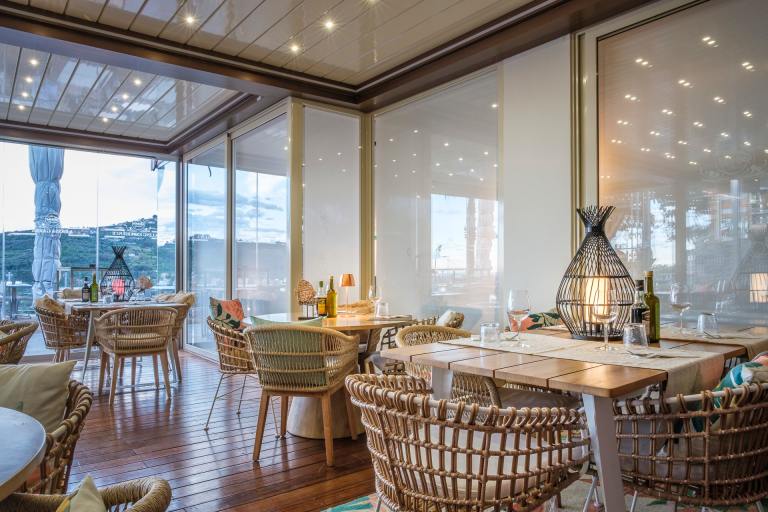
This is where a flexible resort stay adds real value. At Villa Giada SpEace Resort, different dining formulas allow guests to shape their days around their own rhythm, whether that means breakfast before a ride, a relaxed family dinner or the freedom to explore a local trattoria. Good food feels even better when the schedule belongs to you.
Reserve popular restaurants in the evening, especially in high season, and ask what is genuinely seasonal rather than ordering by habit. If you are travelling with children, earlier dining often brings a calmer atmosphere. If you are travelling as a couple, choose one evening to eat later and linger over dessert when the coast has quietened.
Leave room for dolce, too. A slice of torta alla genovese, delicate biscotti or a simple fruit dessert can be all that is needed after a generous meal. The point is not to sample everything at once. Liguria rewards returning to the table with curiosity, a little hunger and time to enjoy what is in front of you.
The finest flavour of the Riviera may be that sense of permission: to slow down, order one more local dish, and let the evening last exactly as long as it should.
Idées, expériences et inspirations pour votre prochain séjour.